
Securing a home in the Land of Lincoln requires understanding specific federal financing standards today. Navigating FHA loan requirements in Illinois ensures that buyers remain competitive within the local market. Proper preparation helps families transition from browsing online listings to signing a final mortgage contract.
Success in modern real estate depends on leveraging financial tools that provide a distinct advantage. Specialized lending programs offer a viable path for individuals who possess limited upfront capital reserves. Early education regarding these specific protocols helps borrowers avoid common pitfalls during the underwriting phase.
Assessing Minimum Credit Score Thresholds
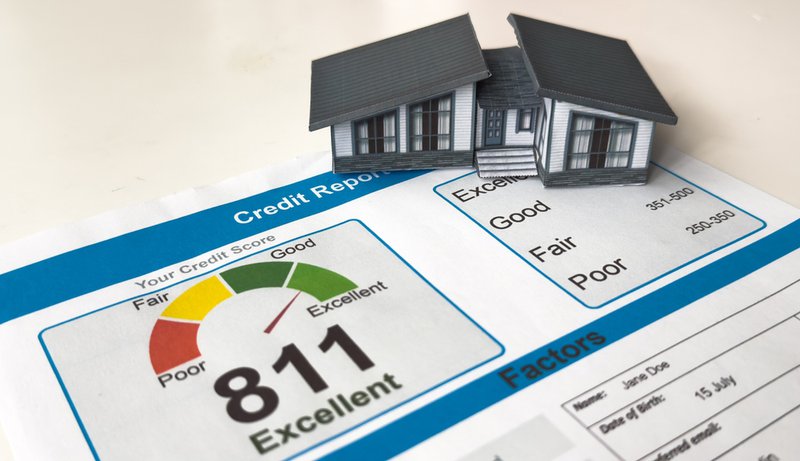
Credit scores play a fundamental role in determining your eligibility for government insured mortgage programs. Applicants with a score of 580 or higher qualify for the lowest possible investment required. Higher scores often lead to better interest rates and more favorable long term repayment terms.
In light of this, meeting the baseline number is only one part of the process. Lenders also examine your recent payment history to confirm consistent and reliable fiscal behavior patterns. Understanding mortgage pre-approval and credit scores is essential for anyone starting their home buying journey.
Furthermore, maintaining a clean credit profile reduces the risk of encountering unexpected delays before closing. Avoid opening new revolving accounts or making large purchases while your application is currently pending. Constant monitoring of your report ensures that FHA loan requirements in Illinois are fully met.
FHA Loan Requirements in Illinois for Down Payments
Low down payment options make homeownership attainable for many residents across the entire Illinois region. Borrowers typically provide 3.5% of the purchase price when they meet standard credit criteria. This lower entry point allows buyers to preserve their liquid savings for future home improvements.
Family members often provide gift funds to cover these initial transaction costs effectively. Specific documentation must prove that the provided money is a gift rather than a loan. Detailed records ensure that FHA loan requirements in Illinois align with strict federal transparency guidelines.
With this in mind, financial accessibility remains a core benefit for those utilizing these products. Strategic planning allows individuals to move forward without waiting years to save massive cash sums. Selecting a mortgage broker vs lender can help you identify the most efficient path forward.
Managing Debt-to-Income Ratios for Stability
Lenders calculate your debt-to-income ratio to ensure monthly housing costs remain within reasonable limits. Most programs prefer a ratio below 43% to guarantee the borrower maintains financial flexibility daily. Higher ratios might be acceptable if the applicant demonstrates significant compensating factors or large cash reserves.
To illustrate further, accurate calculations include student loans, car payments, and other recurring monthly obligations. Reducing high interest credit card balances before applying can significantly improve your overall borrowing power. Proper balance management is a key aspect of fulfilling FHA loan requirements effectively.
As a result, stability is the primary goal when evaluating how much house you afford. Excessive debt often serves as a primary hurdle during the formal loan commitment process. Learning how to avoid these mortgage pre-approval dealbreakers protects your standing with the underwriting department.
Property Condition and Safety Standards
Properties must meet rigorous safety and habitability standards to qualify for an FHA insured loan. Professional appraisers inspect the home to identify any structural issues or potential environmental hazards quickly. Sellers must complete repairs before the lender will release funds for the final purchase price.
In addition to this, inspectors place specific focus on the roof, electrical systems, and paint. These requirements protect the buyer from investing in a property that requires immediate expensive repairs. Every home must function as a safe and sound investment for the primary occupant daily.
Beyond these points, sellers in Illinois must address any deficiencies found during the inspection process. Compliance with these physical standards ensures that FHA loan requirements in Illinois are strictly followed. A sound structure provides the necessary security for both the homeowner and the lender involved.

FHA Loan Requirements in Illinois and Documentation
Gathering necessary paperwork early streamlines the path toward a successful and stress-free home closing. You will need two years of tax returns and recent pay stubs for verification purposes. Comprehensive asset statements provide proof that you have the funds required for the transaction.
Your loan officer will require a detailed view of your financial health through the following essential documents:
- Income Verification: You must provide W-2 forms from the last two years and your most recent pay stubs covering at least 30 days.
- Federal Tax Returns: Two years of complete personal tax returns are required to confirm earnings consistency and stable employment history.
- Bank Statements: Lenders need the last 60 days of statements for all checking and savings accounts to verify your down payment source.
- Asset Documentation: Recent statements for 401(k), IRA, or other investment accounts help demonstrate overall financial strength and cash reserves.
- Personal Identification: A valid government-issued photo ID and your Social Security card are necessary to verify your legal identity for the application.
Taking it a step further, analyzing your situation might involve deciding if you should consolidate your mortgage first to improve your debt-to-income profile. Clear communication and organized records help the underwriting team verify that all FHA loan requirements in Illinois are met for a smooth approval.
Strategic Financial Planning
FHA requirements in Illinois are designed to balance accessibility with financial accountability. This structure ensures that buyers are positioned for sustainable homeownership within the local market. Understanding each requirement early reduces friction during underwriting and improves the overall approval efficiency.
At Brown, we provide structured FHA pre-approval support in Illinois by reviewing credit profiles. Our team examines income documentation and property eligibility standards in detail before every submission. This meticulous approach ensures that buyers are fully prepared before entering the competitive market.
Contact us today to review FHA loan requirements in Illinois and begin your pre-approval process today.