



Securing a primary residence requires a structured approach to financing that balances accessibility with long-term stability. Strategic buyers often utilize FHA loans in Illinois to navigate the initial hurdles of home ownership. This program provides a predictable framework for those who need lower down payment requirements today.
Effective planning starts with understanding how federal insurance protects the lender against potential default risks. In light of this safeguard, institutions offer competitive rates to individuals with varied credit histories. Every successful acquisition depends on aligning personal financial data with these specific government lending standards.
Strategic Advantages of FHA Loans in Illinois
Choosing a government-backed mortgage allows buyers to enter the market with a smaller capital injection. Most participants qualify with a 3.5% down payment if their credit score exceeds 580 points. Furthermore, this flexibility ensures that residents across the state can transition from renting to owning.
Applying for FHA loans in Illinois requires a thorough review of stable employment and income levels. Lenders evaluate debt-to-income ratios to ensure that monthly obligations remain manageable for the entire household. Consequently, this careful assessment protects the buyer from taking on more debt than is sustainable.
Detailed preparation is essential for anyone wanting to choose a mortgage lender who understands local nuances. Specialized advisors help clarify how these federal programs differ from traditional conventional financing options available. Therefore, gaining professional insight early in the process prevents costly mistakes during the final stages.
Regional Requirements for FHA Loans in Illinois
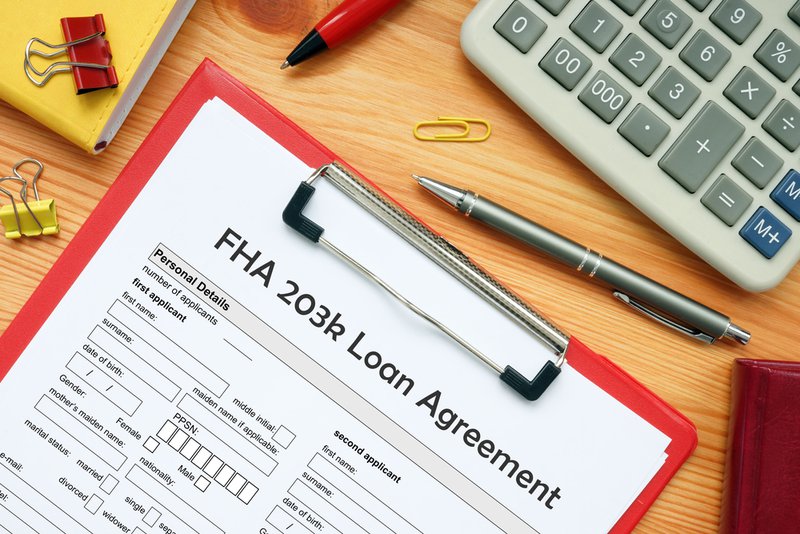
Lending caps for the program vary depending on the specific county and property type selected. For 2026, many single-family homes utilizing FHA loans fall under specific regional limits. However, higher-cost areas near major metropolitan hubs often permit significantly larger maximum loan amounts annually.
Staying informed about these geographic restrictions helps buyers target properties that fit within their budget. Real estate professionals use this data to filter listings that align with FHA loans in Illinois. In addition, knowing these figures allows for a more efficient search in a competitive housing market.
Consulting a complete mortgage pre-approval playbook ensures that every financial detail is accounted for beforehand. Verification of local limits is just one step in a comprehensive risk management strategy for buyers. Ultimately, this foresight empowers consumers to make offers with confidence when they find a home.
Eligibility Standards for Local Buyers
Meeting the basic requirements involves demonstrating a consistent ability to meet all monthly financial obligations. Applicants must provide tax returns and pay stubs to verify their current earning capacity today. Beyond that, the property itself must meet strict safety and habitability standards set by HUD.
Organizing what documents you need for mortgage pre-approval is the most critical task for any applicant. Standard preparation involves gathering specific financial records that verify your overall stability and identity:
- Provide federal tax returns and W-2 forms from the last two consecutive years.
- Submit recent pay stubs covering at least thirty days of your current employment.
- Include bank statements for the past sixty days for every active personal account.
- Present a valid government photo identification and your original social security card clearly.
- Share documentation for any additional income sources like bonuses or social security benefits.
Having these items ready reduces the time spent in the initial underwriting phase significantly. Strategic organization ensures that FHA loans in Illinois move from application to final approval smoothly.
Closing Cost Assistance and State Programs
Illinois offers several programs that work in tandem with federal financing to assist new buyers. The Illinois Housing Development Authority provides grants that help cover the initial down payment costs. Thus, combining these resources with FHA loans in Illinois creates a powerful path to building equity.
Eligible participants can explore different financial structures to reduce the amount of cash required:
- The Access Home program offers up to $15,000 as a deferred second mortgage.
- Forgivable provides up to $6,000 that is forgiven monthly over ten years.
- Deferred gives buyers up to $7,500 with no monthly interest or payments.
- Repayable allows for up to $10,000 to be repaid over ten years.
- Standard first-time buyer grants can often be layered with these specific IHDA options.
Inquiry into how long getting pre-approved for a mortgage takes usually reveals a timeline of a few business days. Efficiently moving through these steps allows buyers to act fast when the right house appears.

Understanding Mortgage Insurance Premiums
Borrowers using FHA loans in Illinois pay both upfront and annual insurance premiums every month. The upfront cost typically totals 1.75% of the loan and buyers often finance it. Lenders split the annual premium into twelve installments and add them to the bill.
These premiums allow the program to remain viable for future generations of Illinois residents. While this adds to the monthly cost, it is the trade-off for lower entry requirements. The total expense is often lower than the cost of waiting to save more.
Managing these ongoing costs for FHA loans in Illinois requires a clear understanding of cash flow. Financial advisors suggest looking at the total payment rather than just the interest rate. Hence, evaluating the full impact of insurance is vital for a sound investment strategy today.
Master Your Path to Illinois Homeownership
FHA lending in Illinois provides a structured pathway for buyers who need significant flexibility. This specialized financing ensures that owners maintain financial oversight without sacrificing long-term budget stability. It remains a practical solution across diverse housing markets found throughout the entire state.
At Brown, we help Illinois buyers navigate FHA qualification requirements and documentation processes daily. Our professional guidance aligns financing readiness with real market conditions for a smooth experience. We work to ensure that every client achieves a predictable approval during the process.
Reach out to us to explore FHA loans in Illinois and begin your structured pre-approval.
