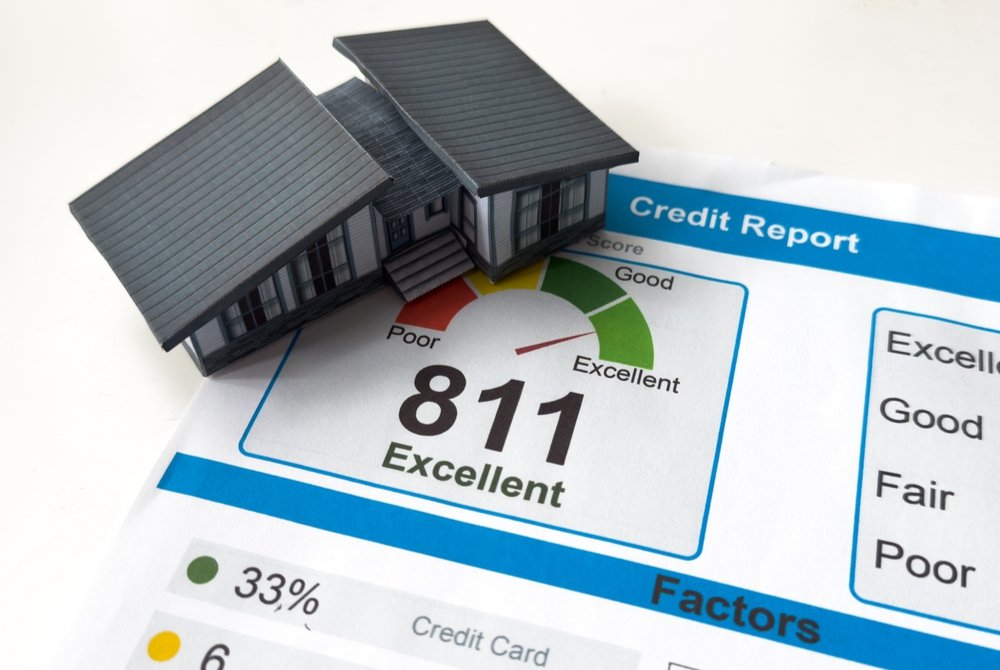

Securing a new home loan requires very careful financial planning and strict baseline preparation. Meeting the minimum credit score for a conventional loan establishes your path toward long-term homeownership. This critical structural benchmark serves as the primary evaluation point for national mortgage underwriters.
Many prospective home buyers mistakenly believe that perfect financial ratings remain absolutely mandatory. However, traditional mortgage financing solutions remain accessible to individuals who maintain moderate credit scores. Understanding these foundational lending standards helps you confidently navigate the complete property purchasing process.
Exploring the Baseline Minimum Credit Score for a Conventional Loan
Most major national lending institutions require a baseline score of 620 for traditional financing. This specific threshold serves as the standard benchmark across the mortgage lending industry. Meeting this requirement indicates to underwriters that you possess an acceptable history of debt management.
Lenders often implement their own stricter internal qualifying requirements beyond national baseline limits. These additional guidelines are known as lender overlays in corporate finance terms. Therefore, achieving the minimum credit score for a conventional loan depends heavily on your chosen institution.
Reviewing your current financial standing helps determine your readiness for the application process. Utilizing an educational mortgage pre-approval playbook provides structured guidance for navigating these initial baseline requirements. This foundational step ensures you understand where your personal credit rating currently stands.

How Financial Ratings Impact the Minimum Credit Score for a Conventional Loan
Your precise credit rating directly determines the long-term pricing of your mortgage agreement. As a matter of fact, borrowers with higher scores consistently secure lower interest rates from financial institutions. This variance significantly affects your monthly housing expenditures and overall lifetime borrowing costs.
Lenders utilize tiered pricing structures to evaluate how your credit metrics influence long-term affordability:
- Excellent ratings above 740: Grant access to the most competitive institutional pricing available.
- Good scores from 700 to 739: Secure favorable standard terms with highly competitive interest charges.
- Fair ratings from 680 to 699: Yield standard market rates with moderate financing fees.
- Baseline scores from 620 to 679: Result in higher interest charges and stricter oversight.
- Scores below the 620 threshold: Require alternative financing options outside traditional mortgage channels entirely.
Understanding these structural pricing frameworks allows consumers to time their property purchases more effectively. Reviewing the explicit relationship between pre-approval and credit scores clarifies how these shifts impact your final borrowing costs. Beyond basic eligibility, your rating dictates the total lifetime cost of the minimum credit score for a conventional loan.
The Correlation Between Credit Risk and Private Mortgage Insurance
Conventional financing requires private mortgage insurance when down payments fall below twenty percent. In general, the monthly cost of this insurance coverage fluctuates based on your underwriting risk. A lower credit rating invariably forces insurance providers to increase their monthly premiums.
Higher credit ratings effectively lower these mandatory monthly risk management fees for borrowers. For instance, a buyer with excellent credit pays significantly less for identical coverage. This reduction lowers your comprehensive monthly housing payment and increases your total buying power.
Understanding these hidden structural expenses allows home buyers to budget with greater accuracy. Once you secure an optimal rate, learning about post-approval actions keeps your transition moving smoothly. Managing these metrics helps mitigate the ongoing insurance costs associated with the minimum credit score for a conventional loan.
Broader Underwriting Metrics Beyond the Minimum Credit Score for a Conventional Loan
Mortgage underwriters evaluate multiple financial metrics rather than focusing exclusively on single scores. In particular, your complete debt-to-income ratio provides essential context regarding your absolute monthly repayment capacity. Furthermore, consistent employment history confirms the long-term stability of your incoming revenue streams.
Lenders thoroughly analyze your historical payment patterns for signs of recurring financial distress. For this reason, frequent late payments or high revolving balances indicate potential risks to the institution. Conversely, low credit utilization demonstrates disciplined financial management and superior corporate risk mitigation.
Accumulating sufficient cash reserves further strengthens an applicant's overall financial profile during reviews. These liquid assets prove you can manage unexpected expenses without defaulting on obligations. Balancing these diverse economic indicators ensures a more favorable evaluation when meeting the minimum credit score for a conventional loan.

Actionable Strategies to Reach the Minimum Credit Score for a Conventional Loan
Improving your financial standing requires a systematic approach to managing existing revolving accounts. Paying down credit card balances represents the fastest method to reduce utilization ratios effectively. Ideally, prospective borrowers should keep outstanding balances well below thirty percent of total limits.
Reviewing your complete financial portfolio uncovers clear methods to optimize your profile:
- Audit credit reports regularly: Dispute any inaccurate payment listings or fraudulent corporate entries.
- Automate monthly obligations: Ensure zero missed payment deadlines across all active credit accounts.
- Restrict new inquiries: Avoid opening unfamiliar financing accounts before applying for home loans.
- Maintain older lines: Keep established accounts active to preserve your length of history.
- Diversify account types: Blend revolving credit and installment loans to show balanced management.
Correcting reporting errors early strengthens your structural position before initiating a formal property purchase. Initiating these targeted improvements optimizes your baseline metrics to help achieve the minimum credit score for a conventional loan.
Structuring Strategic Real Estate Financing with The Brown Team
The minimum credit score for a conventional loan represents only one part of the qualification process. Reviewing overall financial readiness helps borrowers improve approval potential while securing more favorable loan terms. Understanding your complete economic profile ensures you approach the property marketplace from a position of strength.
At The Brown Team, we assist borrowers with formal mortgage pre-approval services by evaluating multiple parameters. Our structured corporate review evaluates credit profiles, income documentation, debt ratios, and financing goals before application. This comprehensive analysis helps identify critical opportunities for stronger qualification outcomes and improved borrowing terms.
Contact Brown to review your credit qualifications and begin preparing for a successful conventional loan pre-approval.